Encryption Standards Reshaping Multi-Format Gaming Access and Incentives
Freya Lang · Sep 3, 2026
Encryption Standards Reshaping Multi-Format Gaming Access and Incentives
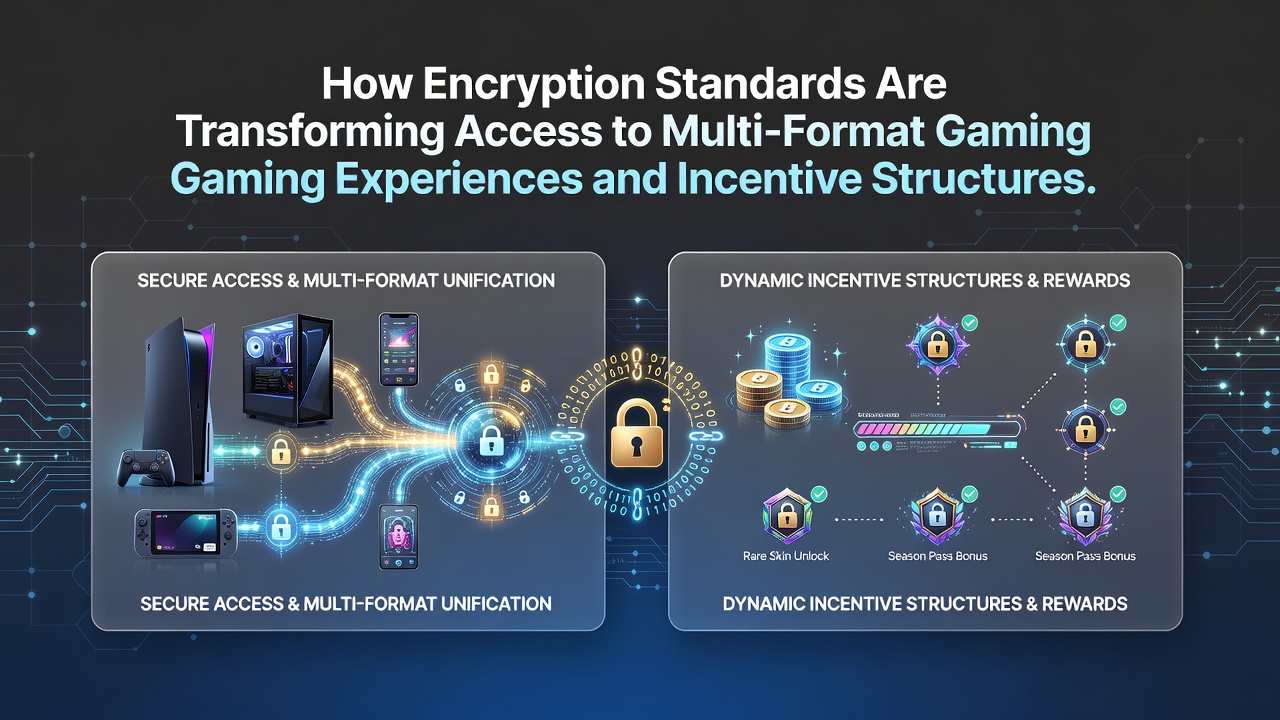
Encryption standards continue to advance in ways that support secure connections across mobile slots, live dealer tables, and progressive jackpot systems while protecting the flow of bonuses and loyalty rewards. Protocols such as AES-256 and TLS 1.3 now handle data exchanges between devices and servers, allowing players to move between formats without exposing account details or transaction histories.
Developments in these standards emerged from efforts by organizations including the National Institute of Standards and Technology, which published updated guidelines on cryptographic modules used in financial and entertainment applications. These updates enable platforms to maintain consistent security levels when users switch from automated reels to real-time dealer interactions or when they claim layered incentives tied to cumulative play.
Protocol Evolution Supporting Cross-Platform Play
Early encryption methods focused on basic data protection during deposits and withdrawals, yet recent iterations incorporate forward secrecy and authenticated encryption to guard against interception during live sessions. Observers note that such features allow seamless transitions between desktop and mobile environments while preserving the integrity of progressive jackpot contributions and bonus allocations.
Industry reports from the European Gaming and Betting Association indicate rising adoption of TLS 1.3 across European operators since 2024, correlating with expanded access to multi-format experiences. This shift reduces latency in encrypted channels, which supports real-time dealer feeds and instant reward notifications without compromising compliance requirements.
Securing Incentive Distribution Across Formats
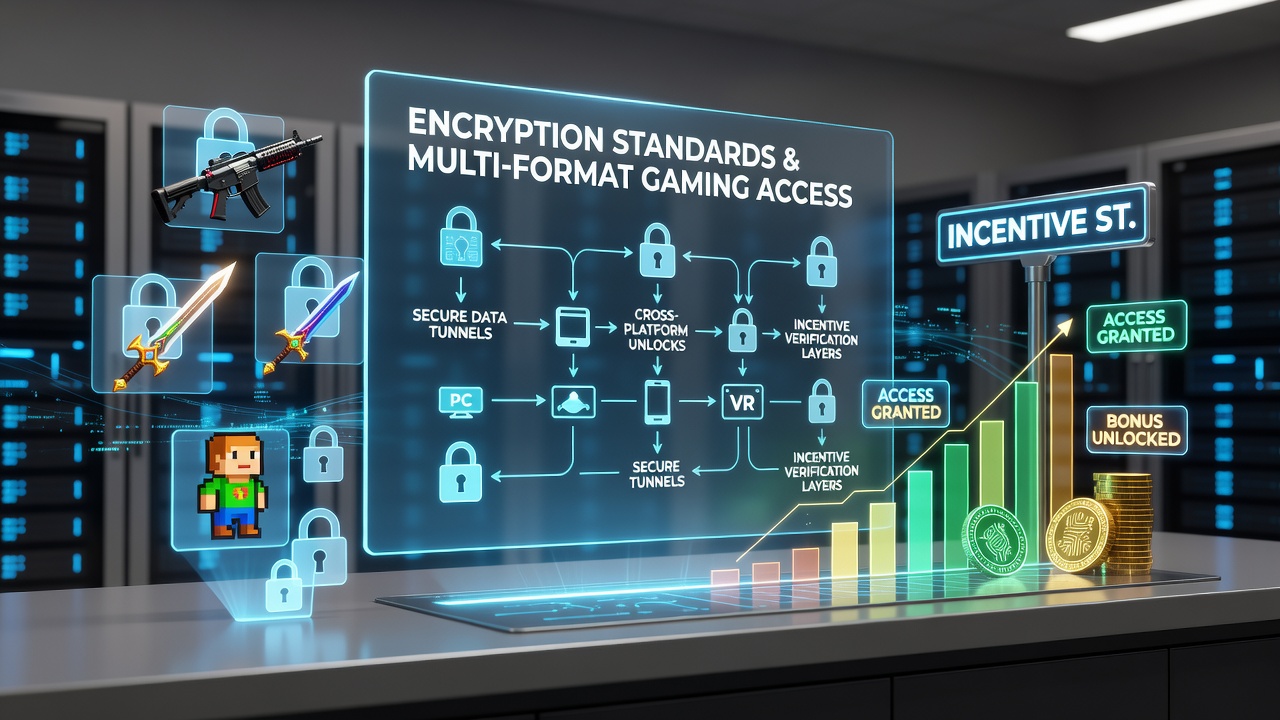
Encryption now extends to the management of tiered rewards and loyalty points, where cryptographic hashing protects records of free spins earned on slots and their conversion into table game credits. Systems employing zero-knowledge proofs verify eligibility for VIP progressions while revealing minimal player data, a technique documented in research from academic institutions studying secure digital ecosystems.
Data from regulatory filings show that operators implementing enhanced encryption experienced fewer disruptions in incentive redemptions during peak periods. These measures also facilitate cross-border play by meeting varying regional standards, such as those enforced by bodies in Canada and Australia, thereby broadening access to combined slot and live dealer offerings.
Integration with Emerging Technologies in September 2026
By September 2026 several platforms had incorporated post-quantum cryptography elements into their infrastructures, preparing for potential future threats while sustaining current multi-format operations. This integration aligns with ongoing work at standards bodies and allows continued distribution of promotional tools across reel, card, and dealer environments.
Studies from research institutions highlight how encrypted ledgers track incentive flows from initial deposits through to jackpot contributions, ensuring transparency for both players and regulators. Such systems reduce discrepancies in reward calculations and support audit trails that comply with international reporting obligations.
Regulatory Alignment and Operational Impacts
Government agencies across multiple regions require encryption minimums that directly influence how operators structure access to layered bonuses and loyalty programs. Compliance with these rules enables wider deployment of mobile applications that unify slot play with live dealer sessions and progressive prize pools.
Figures released by industry associations reveal steady growth in encrypted transaction volumes, reflecting increased player engagement across formats. These trends underscore the role of standards in maintaining trust during high-volume periods without introducing delays in reward processing.
Conclusion
Encryption standards have established foundational support for secure, multi-format gaming by protecting data flows and incentive mechanisms alike. Continued refinements in protocols ensure operators can deliver consistent experiences while meeting evolving compliance demands across jurisdictions.