Exploring Synchronization Patterns Between Cryptocurrency Ledgers and Multi-Tier Loyalty Frameworks Across Hybrid Table and Reel Environments in Regulated Jurisdictions
Freya Lang · Oct 1, 2026
Exploring Synchronization Patterns Between Cryptocurrency Ledgers and Multi-Tier Loyalty Frameworks Across Hybrid Table and Reel Environments in Regulated Jurisdictions
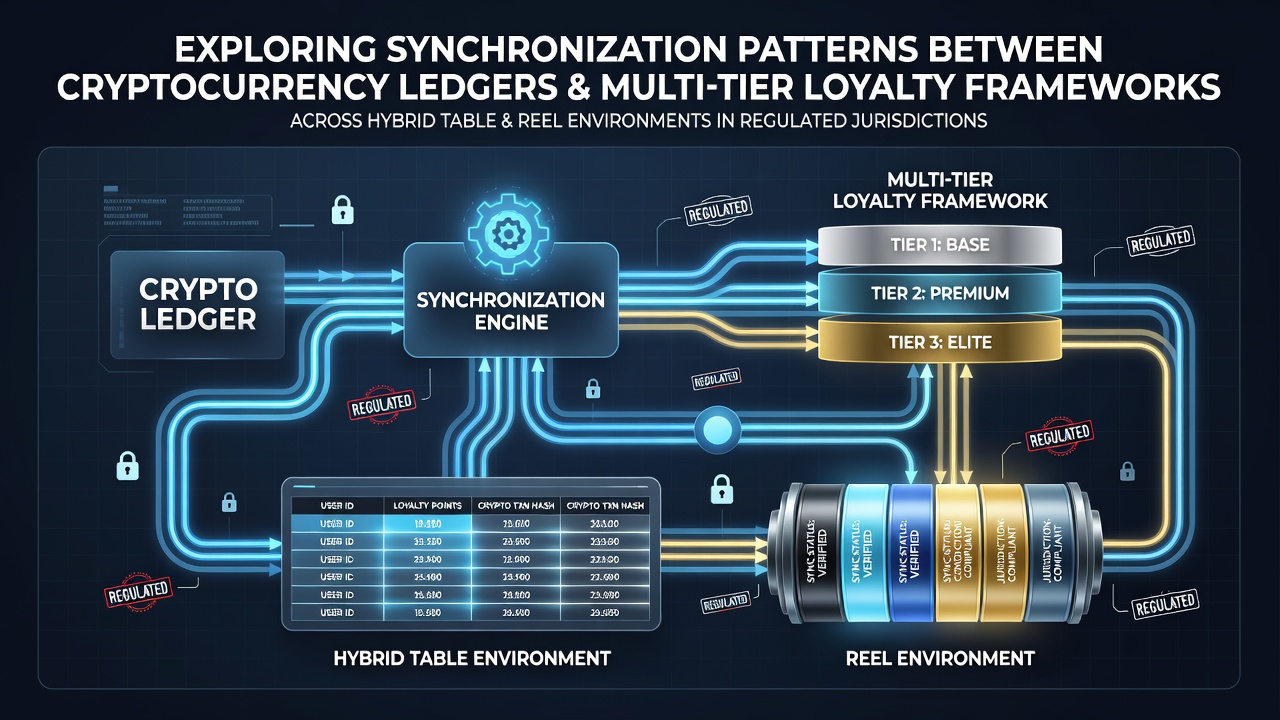
Regulated jurisdictions have seen growing interest in how cryptocurrency ledgers integrate with multi-tier loyalty frameworks that span both table games and reel-based machines, and observers note several emerging synchronization patterns as operators adapt systems to handle digital asset tracking alongside traditional reward structures. Data from industry reports indicate that these patterns often involve real-time ledger updates that feed directly into tier progression algorithms, allowing players to accumulate points across automated reels adn live dealer sessions without separate reconciliation processes.
Core Synchronization Mechanisms
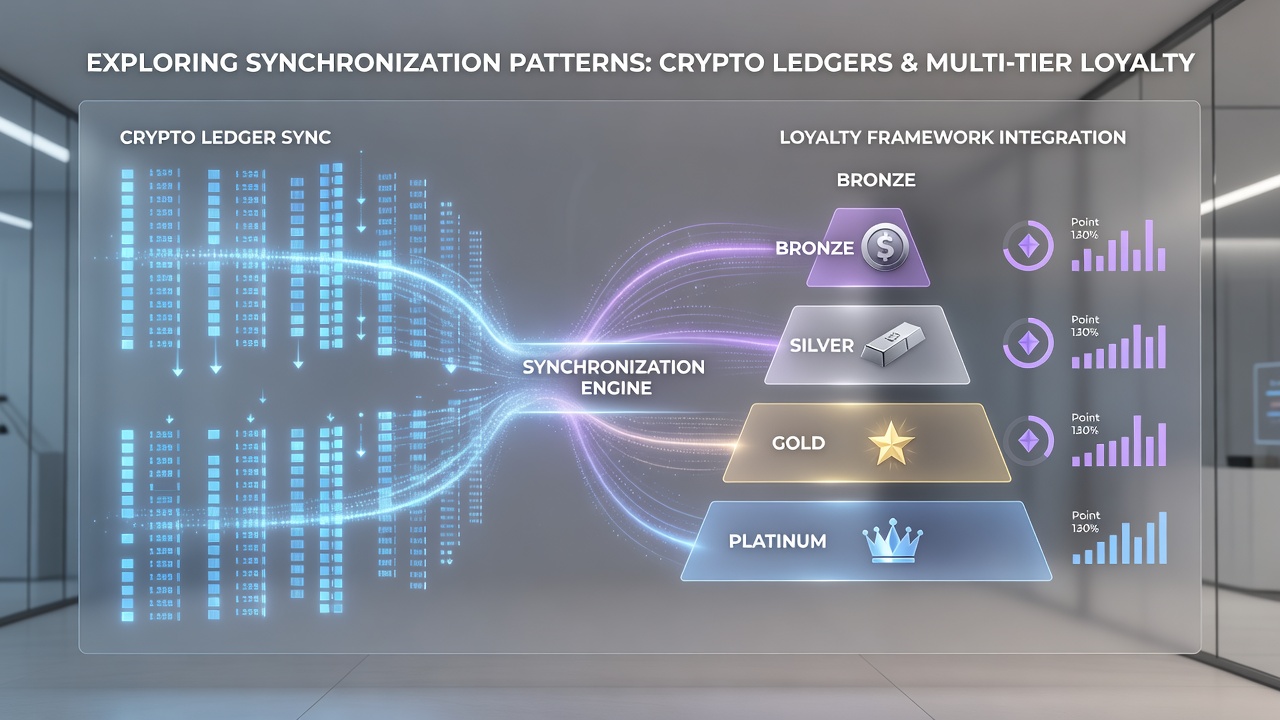
Operators in places like Nevada and New Jersey have implemented ledger protocols that record each wager and payout on distributed networks, then mirror those entries into centralized loyalty databases where tier status adjusts based on cumulative activity, and this approach reduces discrepancies that once arose when manual entries lagged behind actual play, according to figures from state gaming commissions. Researchers have documented cases where smart contracts trigger automatic point allocations the moment a transaction clears on the blockchain, which means hybrid environments benefit from seamless movement between slot sessions and table play without requiring players to switch accounts or wait for batch updates.
What's interesting here is how these systems handle varying regulatory requirements across borders, because jurisdictions impose different rules on digital asset verification yet operators maintain compliance by embedding jurisdiction-specific flags into the ledger entries themselves, and this allows a single framework to operate in multiple markets while still respecting local oversight. Studies from academic sources on blockchain applications in gaming show that such flagged ledgers cut reconciliation time by measurable margins when compared to legacy point-tracking methods that relied on periodic exports.
Patterns in Hybrid Table and Reel Settings
Hybrid environments combine reel machines with table games under one loyalty umbrella, and synchronization patterns reveal that cryptocurrency transactions often serve as the common thread because they provide immutable timestamps that loyalty algorithms use to sequence rewards accurately across both formats. For instance, a player completing a series of spins on a reel machine can transition immediately to a live dealer table, and the ledger captures both activities in a continuous chain that updates tier metrics without interruption, data from multiple operators indicates.
But here's the thing: the complexity increases when loyalty tiers incorporate time-based decay or bonus multipliers that apply differently to table versus reel play, since the ledger must support conditional logic that reads game-type metadata alongside transaction values, and experts have observed that successful implementations use standardized data schemas to avoid mismatches. In October 2026, several regulated markets reported expanded testing of these schemas, with preliminary results showing improved accuracy in tier assignments during peak cross-format sessions.
Regulatory Influences on Ledger Integration
Regulated jurisdictions enforce strict audit trails, which means cryptocurrency ledgers must interface with oversight portals that pull real-time data while preserving player privacy under local statutes, and this requirement has led to the development of permissioned blockchain variants that restrict access to authorized entities only. According to information from the National Conference of State Legislatures, several U.S. states have updated their frameworks to accommodate these hybrid systems, focusing on transparency without mandating full public disclosure of every ledger entry.
European markets present a contrasting pattern where cross-border operators synchronize ledgers through standardized APIs that align with directives from bodies like the Malta Gaming Authority, allowing multi-tier loyalty points earned on reels in one country to transfer seamlessly to table environments in another, provided the underlying transaction data remains verifiable. Observers note that these API-driven approaches reduce latency issues that previously disrupted tier progression during international play sessions.
Emerging Data Trends and Implementation Examples
Figures released in late 2026 highlight that synchronization success rates improve when loyalty frameworks incorporate predictive elements drawn from ledger history, such as forecasting tier upgrades based on recent transaction velocity across both game types, and one documented case involved an operator in a Canadian province that linked reel and table activity through a shared ledger, resulting in faster reward redemptions. Researchers continue to examine how these patterns scale when volume increases, particularly during promotional periods that encourage cross-format engagement.
Additional patterns include fallback mechanisms that switch to offline ledger copies during connectivity disruptions, ensuring tier calculations resume without data loss once synchronization restores, and this resilience has proven valuable in jurisdictions with variable infrastructure reliability. Those who've studied deployment logs report that such redundancies maintain compliance records intact even when primary networks experience brief outages.
Conclusion
Overall, synchronization patterns between cryptocurrency ledgers and multi-tier loyalty frameworks continue to evolve in hybrid table and reel environments within regulated jurisdictions, driven by technical adaptations that address both operational needs and compliance demands, and available data suggest these integrations will shape future system designs as markets expand their digital asset capabilities through 2026 and beyond.