Weather-Driven Shifts in Digital Betting Preferences: Connecting Climate Trends to Reel and Table Game Choices
Zara Weber · Oct 29, 2026

Weather-Driven Shifts in Digital Betting Preferences: Connecting Climate Trends to Reel and Table Game Choices
Climate patterns have intensified across multiple continents in recent years, with rising temperatures, prolonged heatwaves, and more frequent storm systems reshaping daily routines, and observers note that digital betting platforms register corresponding changes in game selection as users seek indoor entertainment options during extreme conditions. Data from regional monitoring agencies shows that these environmental shifts correlate with measurable adjustments in how participants approach reel-based games versus interactive table formats, particularly in areas experiencing seasonal volatility.
Tracking Climate Indicators and Player Activity
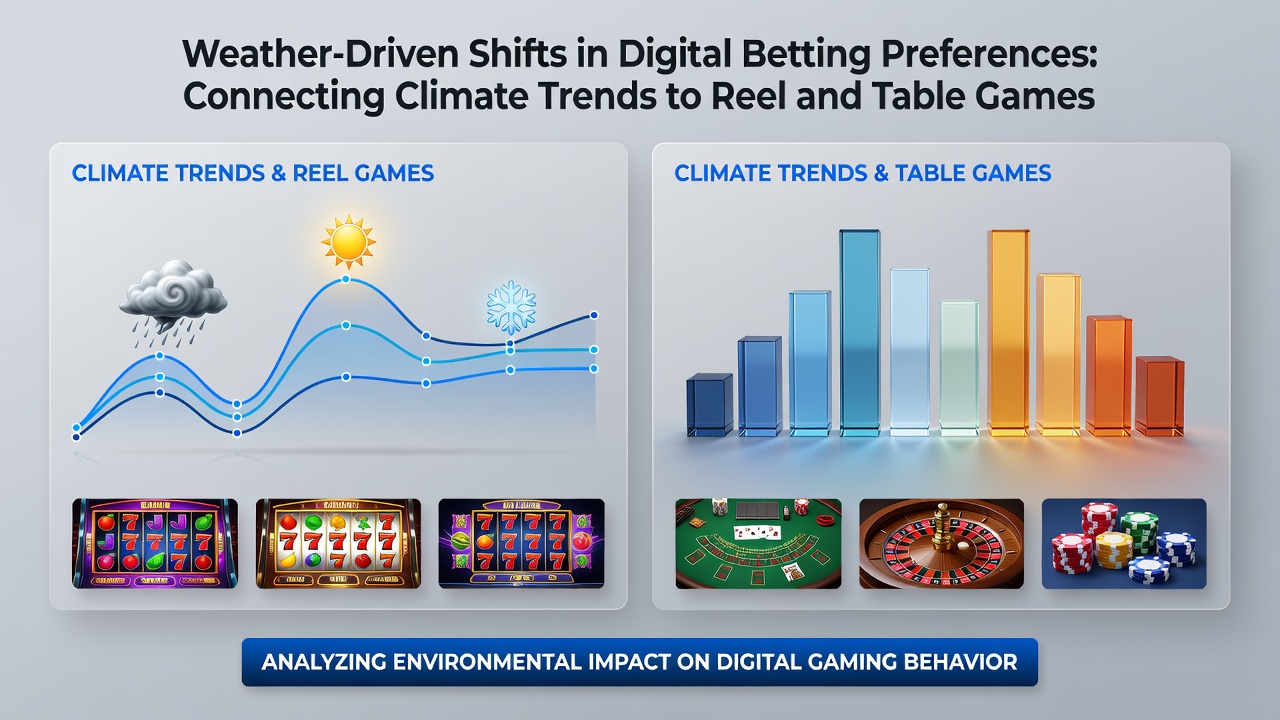
Records compiled through 2025 and into 2026 indicate that heat events lasting beyond two weeks coincide with elevated session times on automated reel titles, while cooler periods with moderate precipitation see increased engagement in live dealer environments, and researchers tracking these variables across North America and parts of Europe have documented parallel movements between temperature anomalies and platform metrics. One analysis covering multiple jurisdictions found that storm warnings issued by meteorological services often precede spikes in short-duration reel play, whereas stable weather windows align with longer table game sessions that allow for social interaction features.
Figures released by the National Oceanic and Atmospheric Administration highlight a 14 percent rise in days classified as extreme heat across southern and midwestern states during the first nine months of 2026, and this pattern overlaps with reported upticks in mobile reel selections during those same intervals. Platforms operating in affected zones record higher volumes of quick-spin activity when outdoor temperatures exceed seasonal norms, prompting operators to adjust promotional timing around weather forecasts.
Regional Variations in Game Preferences
Australian territories facing extended drought cycles and sudden rainfall surges display distinct behaviors, with data indicating stronger reel engagement during alert periods and a gradual return to table formats once conditions stabilize, whereas Canadian provinces experiencing milder winters alongside heavier summer storms show the opposite tilt toward live formats under clear skies. These geographic differences underscore how localized climate signals influence choice architecture on digital sites, wth payment and session data revealing consistent directional shifts tied to environmental triggers rather than promotional variables alone.
October 2026 brought early cold snaps to northern markets and lingering warmth to southern corridors, and preliminary platform reports from those weeks show reel titles maintaining higher play rates in warmer zones while table options gained ground where temperatures dropped below average, confirming earlier seasonal correlations observed in prior years. Operators monitoring these movements have begun integrating weather feeds into recommendation engines to surface relevant game categories in real time.
Data Patterns Across Platforms
Industry compilations from research groups such as the National Oceanic and Atmospheric Administration climate division link extended periods of precipitation with elevated reel activity, while extended clear stretches correspond to table game volume increases, and these associations hold after controlling for standard marketing cycles. European datasets covering comparable intervals reveal similar alignments, particularly in regions with shifting Mediterranean weather regimes that alternate between heat and sudden storms.
Payment flow records further illustrate that deposit timing clusters around weather advisories, with reel-heavy sessions often funded through faster methods during alert windows and table play extending across multiple days when conditions permit uninterrupted access. Cross-referencing with external benchmarks from Australian government climate resources confirms that drought-affected zones sustain higher reel participation rates year-round compared to temperate counterparts.
Operational Adjustments by Providers
Platform teams have started layering weather-derived filters into user interfaces, surfacing reel categories during forecast instability and highlighting table options when stable conditions prevail, and this approach draws directly from aggregated session logs that map environmental variables to game type selection. Observers tracking these implementations report measurable lifts in session continuity when recommendations align with prevailing climate signals rather than generic suggestions.
Longer-term projections from climate models suggest continued expansion of extreme event frequency through the decade, which may embed these preference patterns more deeply into betting ecosystems, and analysts examining October 2026 datasets already detect early signs of this entrenchment in markets with repeated weather disruptions. Regulatory bodies in multiple jurisdictions continue to monitor these trends for potential impacts on responsible gaming frameworks tied to session length and game velocity.
Conclusion
Connections between climate variability and digital betting choices continue to surface through detailed platform analytics, with reel and table formats demonstrating distinct responses to temperature, precipitation, and storm activity across tested regions. Evidence from 2026 records, including those gathered during October, reinforces earlier findings while highlighting the value of integrating environmental data into operational planning. Future monitoring will determine whether these patterns stabilize or evolve alongside ongoing climate shifts.